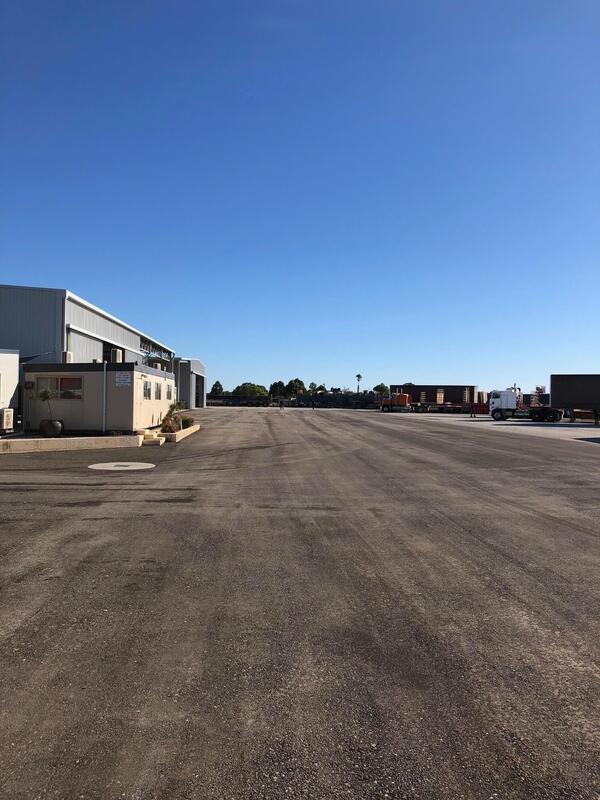
Asphalt is designed to be flexible, durable and capable of handling regular traffic loads. However, when cracking appears far earlier than expected, the cause is often not the asphalt itself but the condition of the base beneath it. In Sunshine, VIC, premature cracking is commonly linked to inadequate site preparation rather than material failure.
At Sunshine Road Tech, we regularly assess asphalt surfaces across Sunshine and find that long-term performance depends heavily on the strength and stability of the foundation.
The Role of the Base in Asphalt Performance
The base layer is the structural support system for the asphalt surface. Its purpose is to distribute loads evenly and prevent movement under traffic. If the base is unstable, poorly compacted or uneven, the asphalt above will reflect those weaknesses.
Asphalt is flexible, but it is not designed to bridge significant movement or voids beneath it. When the base shifts or settles, stress concentrates in specific areas, leading to cracks.
Inadequate Compaction
One of the most common causes of premature cracking is insufficient compaction of the base material. If the base is not compacted to the correct density, it may compress further once vehicles begin using the surface.
This ongoing settlement creates uneven support. As the asphalt bends over these weak points, tensile stress builds and cracks begin to form.
In Sunshine, ensuring proper compaction before surfacing is essential for long-term durability.
Poor Drainage and Moisture Intrusion
Water is a major contributor to pavement failure. If the base is not graded correctly or lacks proper drainage, moisture can accumulate beneath the asphalt layer.
When the base becomes saturated, it loses strength and stability. As traffic passes over the softened area, the asphalt flexes excessively and eventually cracks.
Correct drainage design in Sunshine helps protect both the base and the surface from moisture-related deterioration.
Uneven Surface Profile
A poorly shaped or uneven base creates inconsistent thickness in the asphalt layer. Thin sections are more vulnerable to stress and cracking, particularly under repeated traffic loads.
Accurate grading and levelling before asphalt installation ensure uniform thickness and balanced load distribution across the entire surface.
Weak or Inappropriate Base Materials
The choice of base material also plays a significant role. If unsuitable materials are used, or if the base lacks sufficient structural strength for the expected traffic load, movement will occur over time.
In Sunshine, selecting the correct base composition and thickness is critical to preventing premature cracking and structural distress.
The Importance of Professional Preparation
High-quality asphalt can only perform as well as the surface beneath it. Proper preparation involves:
- Assessing ground conditions
- Installing suitable base materials
- Achieving correct compaction levels
- Establishing effective drainage
- Ensuring even grading
At Sunshine Road Tech, we prioritise thorough site preparation across Sunshine because long-term performance depends on it.
Conclusion
Asphalt cracks prematurely on poorly prepared bases because the surface cannot compensate for instability, moisture intrusion or uneven support beneath it. Inadequate compaction, poor drainage and weak base materials all contribute to early failure.
For property owners and site managers in Sunshine, VIC, the key to preventing premature cracking is proper groundwork. At Sunshine Road Tech, we focus on comprehensive preparation and professional installation to ensure asphalt surfaces in Sunshine are built on strong, stable foundations.
If you are planning a new asphalt surface or experiencing cracking issues, contact Sunshine Road Tech in Sunshine for a professional assessment and reliable advice tailored to your site.
Call us on: 03 4159 2883
Click here to find out more about Sunshine Road Tech
Click here to complete our contact form and see how we can help with your driveway needs.