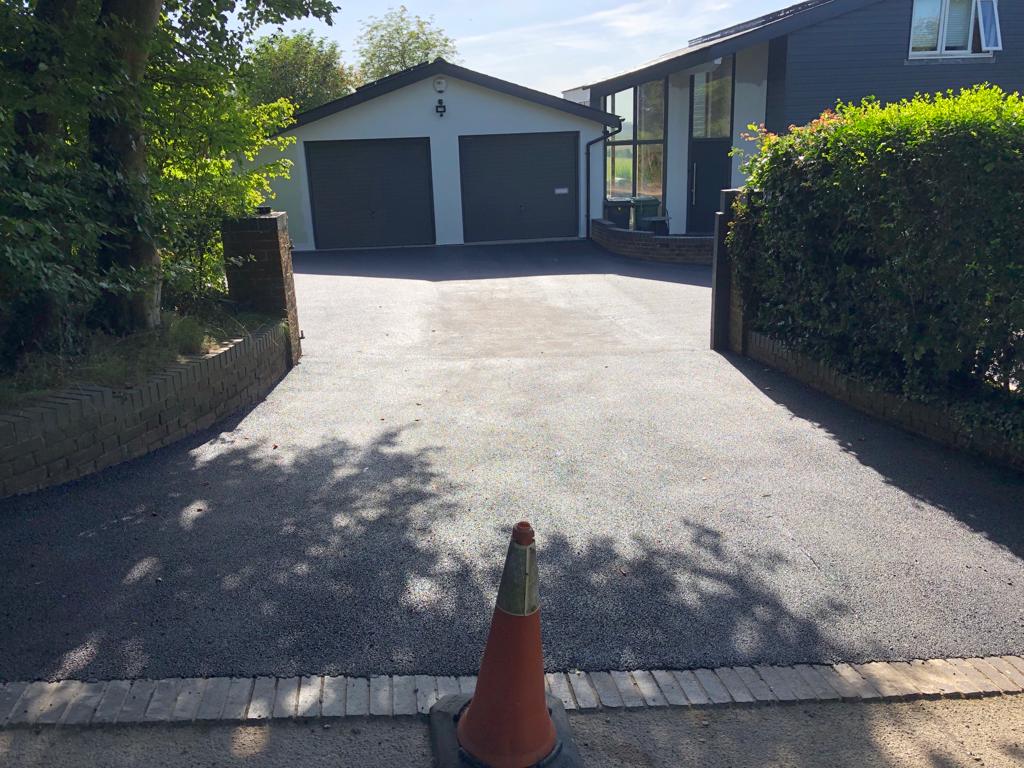
Asphalt is a popular choice for driveways, access roads, car parks and other paved areas because it provides a smooth, practical surface for regular vehicle use. However, exposure to sunlight, rain, changing temperatures and repeated traffic can gradually affect its condition. Regular maintenance helps identify early signs of deterioration and keeps the surface functional for longer.
For property owners in Sunshine, VIC, Australia, understanding how to maintain asphalt surfaces can help prevent minor defects from developing into more extensive problems. With appropriate care and timely repairs, asphalt can continue to provide reliable performance while maintaining a neat appearance.
Why Regular Asphalt Maintenance Matters
Asphalt surfaces are designed to withstand regular use, but they are not maintenance-free. Over time, water can enter small cracks, edges can begin to break down and heavily used areas may develop depressions or loose material.
Addressing these issues early helps protect the underlying pavement structure. When water penetrates beneath the asphalt, it can weaken the supporting layers, potentially leading to potholes, uneven sections and further cracking.
A simple maintenance routine, combined with professional inspections when needed, can help preserve the surface and reduce avoidable deterioration.
Inspect the Surface for Cracks and Damage
Regular visual inspections are one of the easiest ways to identify asphalt problems before they become more serious. Look for fine cracks, broken edges, potholes, loose aggregate and areas where the surface appears to be sinking.
Small cracks may develop as the asphalt ages or responds to changes in temperature. Although they may initially seem minor, they can allow water to reach the layers beneath the pavement.
The appropriate repair depends on the type, size and cause of the damage. Surface cracks may be suitable for professional crack sealing, while wider cracks, potholes or recurring depressions may indicate deeper problems that need further assessment.
Avoid simply covering damaged areas without identifying the underlying cause, as this may result in the problem returning.
Keep Asphalt Surfaces Clean
Dirt, leaves and general debris can accumulate on driveways and paved areas, making it harder to identify defects and maintain a tidy appearance. Regular sweeping helps remove loose material before it builds up.
Oil, fuel and other vehicle-related spills should also be addressed promptly using a cleaning method suitable for asphalt. Certain petroleum-based substances can soften or damage the bituminous binder, particularly if they remain on the surface for extended periods.
Avoid using harsh chemicals or unsuitable cleaning equipment that could damage the pavement. For stubborn stains, follow appropriate product guidance or seek professional advice.
Keeping drainage channels and nearby outlets clear is equally important, as it helps prevent water from collecting on or flowing across the asphalt unnecessarily.
Manage Water and Drainage
Water is one of the main factors that can contribute to asphalt deterioration. If rainwater repeatedly pools on the surface, it may indicate inadequate drainage, uneven settlement or changes in the pavement profile.
Standing water can enter existing cracks and weaken the supporting layers over time. During cooler conditions, moisture and temperature fluctuations may further aggravate damaged areas.
Check whether water drains away after rainfall and look for persistent puddles near the edges or low points of the surface. Where drainage problems continue, professional assessment can help identify whether the issue relates to the asphalt itself, the underlying base or the surrounding drainage arrangements.
Correcting the cause is generally more effective than repeatedly repairing the visible damage alone.
Avoid Unnecessary Stress on the Surface
Although asphalt is designed to support vehicle traffic, excessive loads or repeated stress in one location can contribute to deterioration, especially if the pavement was not designed for that level of use.
Where possible, avoid placing unusually heavy equipment on areas that may not have adequate structural support. Take care when manoeuvring vehicles near unsupported edges, as these sections can be more vulnerable to cracking and breaking.
For driveways or access areas used regularly by larger vehicles, the pavement should be designed to suit the expected loading. If signs of rutting or settlement appear, the cause should be investigated before the damage spreads.
Consider Professional Asphalt Repairs and Maintenance
Routine cleaning and inspections help maintain asphalt, but some problems require specialist attention. Cracks, potholes, crumbling edges and recurring uneven areas may need professional repairs to restore the surface and reduce further deterioration.
The correct repair method depends on the pavement’s condition. Localised defects may be repaired individually, while widespread damage or a failing base may require more extensive resurfacing or reconstruction.
Sunshine Road Tech can help property owners in Sunshine, VIC, Australia, assess the condition of their asphalt surfaces and identify suitable maintenance or repair options. Addressing defects promptly can help maintain usability and prevent existing problems from becoming more extensive.
Conclusion
Maintaining asphalt surfaces involves regular inspections, prompt cleaning, effective drainage and timely attention to cracks or other damage. These practical steps help protect the pavement from avoidable wear and support its long-term performance.
For property owners in Sunshine, VIC, Australia, monitoring the condition of driveways and other asphalt areas can make it easier to identify problems before they worsen. If your asphalt surface is cracking, developing potholes or showing signs of deterioration, contact Sunshine Road Tech to discuss your maintenance requirements and arrange an assessment.
Call us on: 03 4159 2883
Click here to find out more about Sunshine Road Tech
Click here to complete our contact form and see how we can help with your driveway needs.