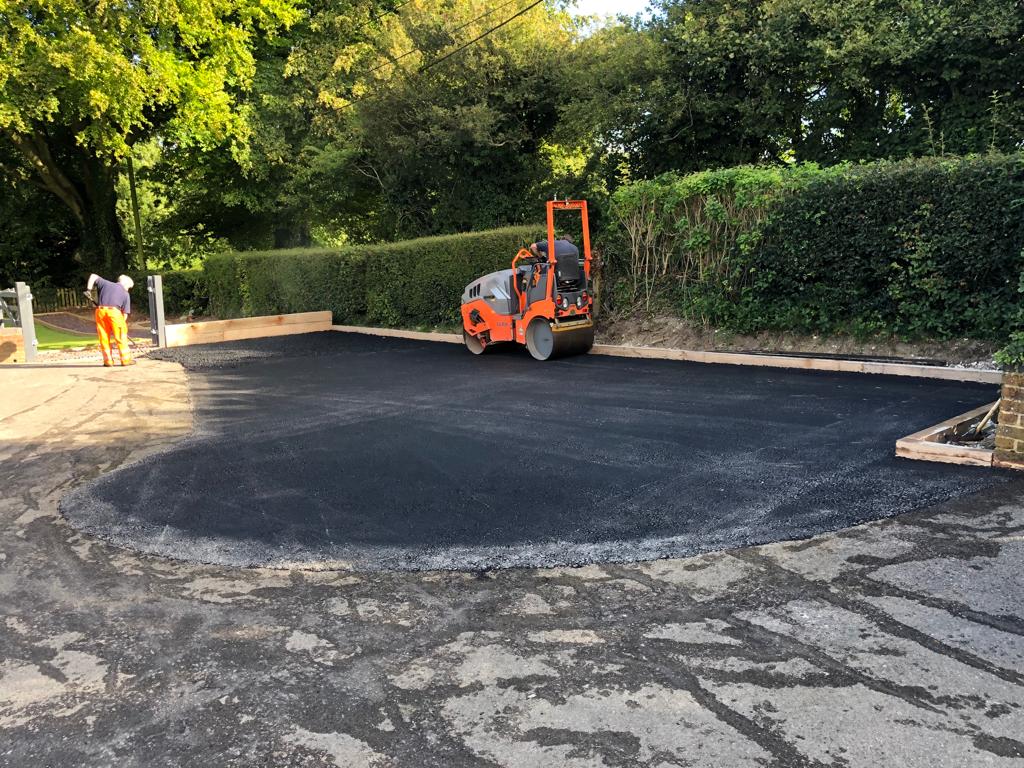
Choosing a suitable surface for a driveway, access route or larger traffic area requires more than considering its appearance. The surface must also match the ground conditions, expected vehicle use, drainage requirements and dimensions of the site.
Spray and seal bitumen is a practical surfacing method that creates a durable, textured finish. It is particularly well suited to larger areas where dependable vehicle access and a straightforward appearance are priorities. However, its long-term performance depends heavily on correct preparation and professional application.
Understanding Whether Spray and Seal Suits Your Property
Spray and seal surfacing is formed by applying a layer of hot bitumen binder to a prepared base before covering it with aggregate. The stone is rolled into the binder to create a firmly bonded wearing surface.
Some projects use a second application of binder and aggregate to increase coverage and provide a stronger finish. The appropriate specification depends on factors such as traffic volume, vehicle type, existing ground conditions and the intended use of the area.
Where Can Spray and Seal Bitumen Be Used?
The versatility of spray and seal makes it suitable for several property applications, including:
- Residential driveways
- Long access routes
- Large parking areas
- Private roads
- Commercial yards
- Low- to moderate-traffic hardstands
- Worn bituminous surfaces suitable for resealing
Each site requires an individual assessment. A surface designed for occasional cars will have different preparation and performance requirements from one regularly used by heavier vehicles.
A Practical Surface for Larger Areas
Spray and seal can be an effective option where a property has an extensive driveway or access route. Its application method allows broad areas to be covered efficiently while producing a continuous surface that supports regular vehicle movements.
The lightly textured appearance also suits sites where a functional, understated finish is preferred. Different aggregate selections can influence the colour and character of the completed surface without making it look unnecessarily decorative.
Why the Base Is So Important
The quality of the finished surface depends largely on what lies beneath it. Spray and seal is a wearing course rather than a solution for unstable ground, deep potholes or a failing foundation.
Before surfacing begins, the base may need to be graded, compacted and corrected. Soft areas must be addressed, and the correct levels should be established so that water moves away from the surface rather than collecting in low points.
Applying bitumen over an inadequately prepared base may allow existing movement and defects to affect the new surface. Thorough preparation is therefore central to reliable results.
Can It Be Applied Over an Existing Surface?
In some circumstances, spray and seal bitumen can refresh an existing bituminous surface. This may be suitable when the underlying area remains structurally stable but has become weathered, dry or worn.
Before resealing, the surface should be inspected for:
- Potholes and loose material
- Significant cracking
- Depressions or wheel ruts
- Unstable edges
- Drainage problems
- Movement within the foundation
Localised defects usually need attention before the new treatment is applied. If deterioration is widespread or the base has failed, more extensive preparation may be required.
How Does the Surface Handle Vehicle Use?
A professionally installed spray and seal surface can accommodate regular vehicle traffic when its design matches the demands placed upon it. The bonded aggregate provides texture, while the bitumen seals and protects the prepared base below.
Traffic patterns should be considered during planning. Turning areas, entrances and locations where vehicles frequently brake or accelerate may experience greater stress than straight sections. These areas may require particular attention to base strength, material selection and application.
The Importance of Drainage and Surface Levels
Water is one of the main factors affecting the performance of any outdoor traffic surface. If it remains in depressions or penetrates weak edges, it can contribute to softening, erosion and gradual deterioration.
Correct grading helps direct water towards appropriate drainage points. Edges also need to be properly formed and supported, as unsupported sections can begin to crumble under repeated wheel movements.
A site assessment should therefore consider the entire route taken by surface water, not only the area receiving the new seal.
What Finish Should You Expect?
Spray and seal has a visibly textured aggregate finish rather than the smoother, more uniform appearance associated with asphalt. Some loose stone may be present initially while the surface settles under controlled use.
The final appearance depends on the aggregate type, application rate and workmanship. Even distribution and proper rolling are important for achieving consistent coverage and securely embedding the stone into the binder.
Why Professional Assessment Matters
Not every surface is immediately ready for spray and seal treatment. An experienced contractor should assess the foundation, existing defects, drainage, access and expected traffic before recommending a specification.
This assessment helps determine whether the area requires minor preparation, substantial base work or an alternative surfacing approach. It also ensures that the treatment is designed around the property’s actual use rather than applied as a standard solution.
Conclusion
Spray and seal bitumen can be a practical choice for driveways, access routes and larger vehicle areas when a textured, functional and dependable surface is required. Its success depends on a stable base, effective drainage, suitable materials and careful application.
Sunshine Road Tech provides professional spray and seal bitumen surfacing in Sunshine, VIC, Australia. If you are considering a new surface or want to understand whether an existing area is suitable for resealing, contact the team to arrange a site assessment.
Call us on: 03 4159 2883
Click here to find out more about Sunshine Road Tech
Click here to complete our contact form and see how we can help with your driveway needs.