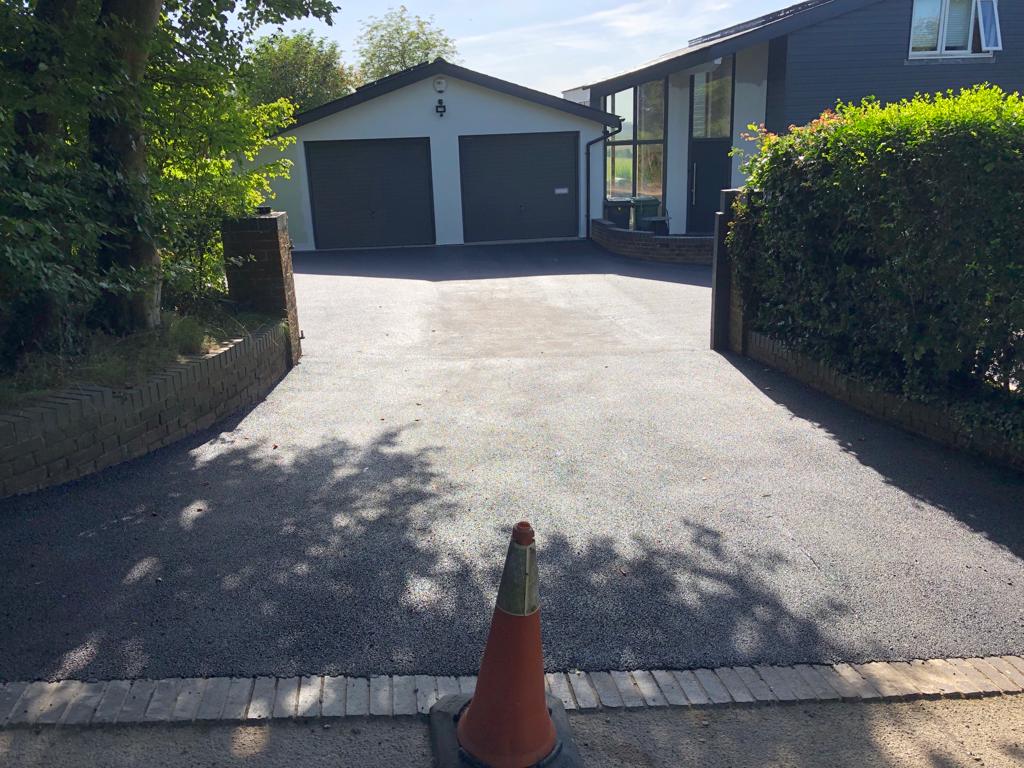
Potholes are one of the most disruptive issues affecting asphalt and bitumen surfaces. In high-use areas like Sunshine, they can develop quickly if early warning signs are overlooked. While potholes may appear suddenly, they are almost always the result of gradual surface deterioration. Regular maintenance plays a critical role in slowing this process and preventing small defects from escalating into major surface failures.
At Sunshine Road Tech, proactive maintenance is viewed as the most effective way to preserve surface integrity and reduce the likelihood of recurring potholes.
Potholes Begin with Minor Surface Defects
Potholes do not form overnight. They usually start as fine cracks, surface wear, or loss of protective sealing. These early defects allow water to penetrate the surface and reach the underlying pavement layers.
Once moisture enters the structure, traffic loads cause the weakened area to flex and break apart from below. Over time, material is displaced and a pothole forms. Regular maintenance interrupts this process at its earliest stage.
Sealing Surfaces to Keep Moisture Out
One of the primary goals of routine maintenance is to maintain an effective seal on the pavement surface. Surface treatments and timely resealing help prevent water from entering cracks and voids.
By keeping moisture out of the pavement structure, maintenance protects the base layers that support the surface. This significantly reduces the risk of structural breakdown that leads to pothole formation.
Managing Cracks Before They Worsen
Cracks are one of the earliest indicators that a surface is under stress. Left untreated, they widen, interconnect, and allow increasing amounts of water to penetrate the pavement.
Regular inspection and early crack treatment help stabilise the surface and stop deterioration from spreading. Addressing cracks promptly is one of the most effective ways to reduce future pothole development.
Preserving Surface Strength Under Traffic Loads
Asphalt surfaces rely on even load distribution to perform properly. When parts of the surface begin to weaken, traffic loads become concentrated in smaller areas, accelerating failure.
Maintenance helps restore surface consistency and strength, allowing loads to be distributed evenly across the pavement. This reduces stress on vulnerable sections and helps prevent localised collapse that leads to potholes.
Reducing the Need for Reactive Repairs
Surfaces that are not maintained often require reactive pothole repairs, sometimes repeatedly in the same locations. This cycle usually indicates that the underlying issues were never addressed.
Regular maintenance reduces the frequency of emergency repairs by keeping the surface in a stable condition. Planned maintenance allows issues to be managed strategically rather than reactively.
The Value of Ongoing Surface Assessment
Effective maintenance starts with understanding how a surface is performing. Changes in texture, drainage behaviour, or minor deformation can all signal the early stages of failure.
Sunshine Road Tech carries out professional assessments to identify these warning signs early, ensuring maintenance is applied at the right time to deliver the greatest long-term benefit.
Conclusion
Regular maintenance is one of the most effective ways to reduce pothole formation. By sealing surfaces, managing cracks early, and preserving structural strength, maintenance prevents minor issues from developing into major failures.
For property owners and site managers in Sunshine looking to protect their asphalt and bitumen surfaces, Sunshine Road Tech offers professional maintenance and surfacing services focused on long-term performance. Get in touch to discuss how a proactive maintenance approach can help extend surface life and minimise disruptive pothole repairs.
Call us on: 03 4159 2883
Click here to find out more about Sunshine Road Tech
Click here to complete our contact form and see how we can help with your driveway needs.